
THE 2026 ENDPOINT ECOSYSTEM STUDY
The third edition of the groundbreaking study uncovering the trends and issues shaping the modern employee experience
AI is exposing cracks in the workplace
While hybrid work has stabilized employee behavior around workplace technology continues to reveal major gaps between security, productivity, and usability.
The rise of AI is now amplifying many of the same technology frustrations employees have faced for years.
Employees are working around security policies and controls to get their job done, often because workplace technology creates friction or slows productivity.
Password-related risk remains widespread, with employees choosing easy-to-remember passwords and prioritizing convenience over security.
AI readiness gaps are growing, with few employees reporting meaningful value from AI tools and nearly half receiving no AI training.

Hybrid Work 2026
The 2026 Endpoint Ecosystem National Study surveyed more than 2,500 employees across the United States, United Kingdom, Australia, and New Zealand to understand how work is actually happening across security, productivity, devices, onboarding, IT support, and AI adoption.

Employees continue to work around systems to stay productive
Two-thirds of employees (67%) report they at least sometimes work around company policies or controls to do their job. Nearly half (47%) say non-work apps like personal email, messaging, and file-sharing tools are often more efficient than company-approved systems.
The findings show workplace friction continues to drive unofficial workflows and shadow technology usage.

AI adoption is accelerating faster than AI enablement
While many organizations have introduced AI tools, only 29.% of employees say AI delivers regular or essential value in their work. Meanwhile, 48.% report receiving no AI training or are unsure whether training exists.
Employees who receive role-specific AI training are more than three times as likely to report meaningful AI value.

of workers experience recurring technology friction
Technology friction remains a major productivity challenge
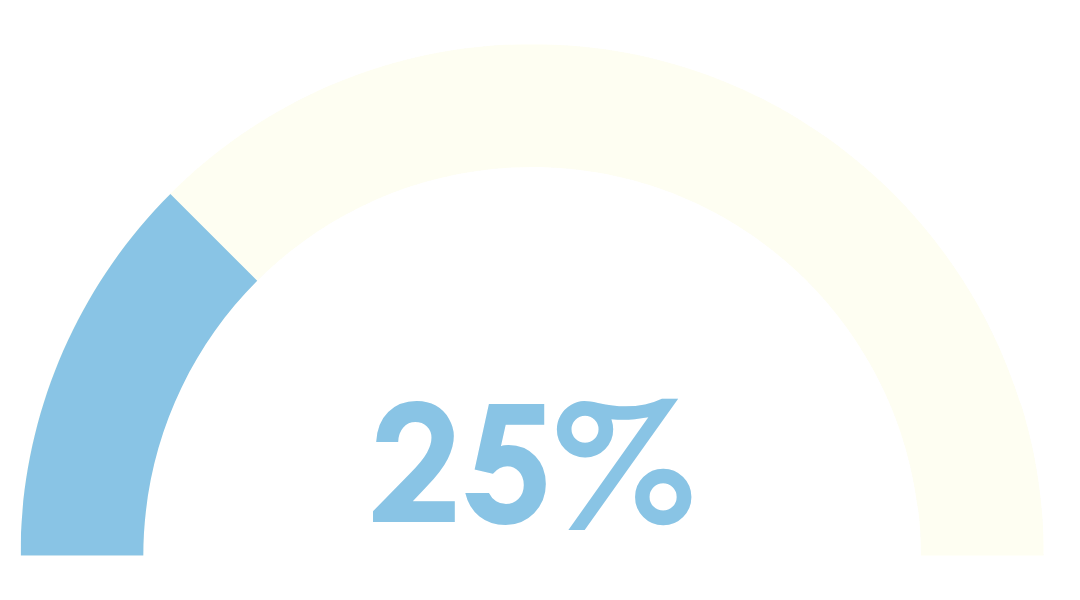
experience technology friction weekly or more
Most employees experience technology friction at least a few times per month, while one in four experience it weekly or more.
Employees experiencing frequent friction are significantly more likely to bypass company controls and
work outside official systems.

Frontline workers are falling behind in
AI readiness
One of the clearest findings in the study is the widening gap between executives and frontline employees in AI adoption and training.
38% of frontline workers report not using AI at all, compared to just 10% of managers and executives. Frontline workers are also significantly less likely to receive AI training or understand whether governance protections exist.
Password behavior has not meaningfully improved since 2022
Despite years of cybersecurity investment, password-related risk remains persistent.
72% of employees say they choose passwords that are easy to remember, while 76% still rely on passwords daily. Identity security continues to be shaped as much by human behavior as technical controls.
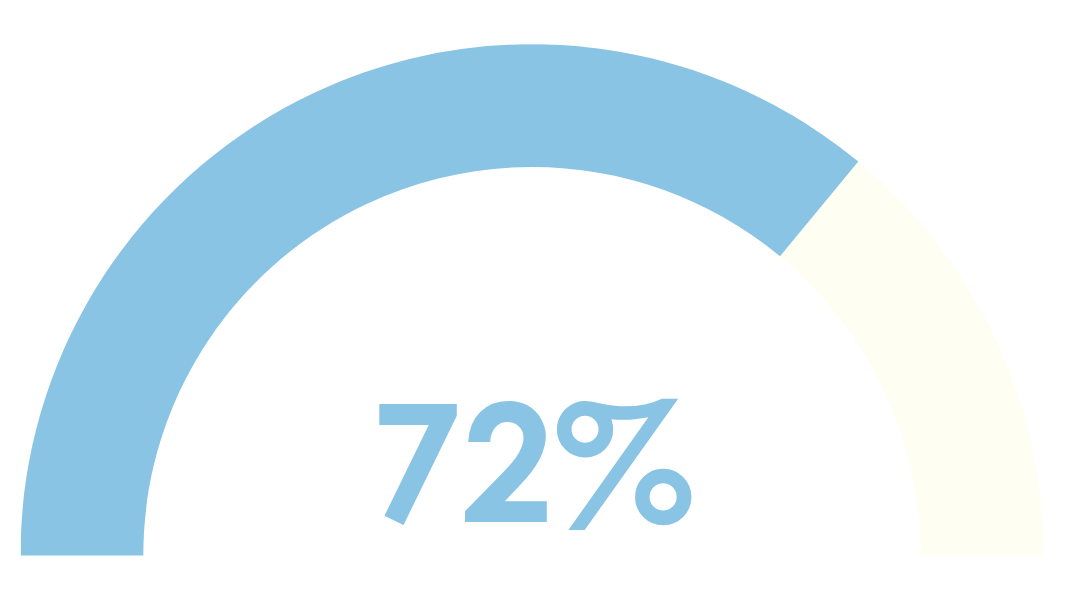
choose passwords that are easy to remember
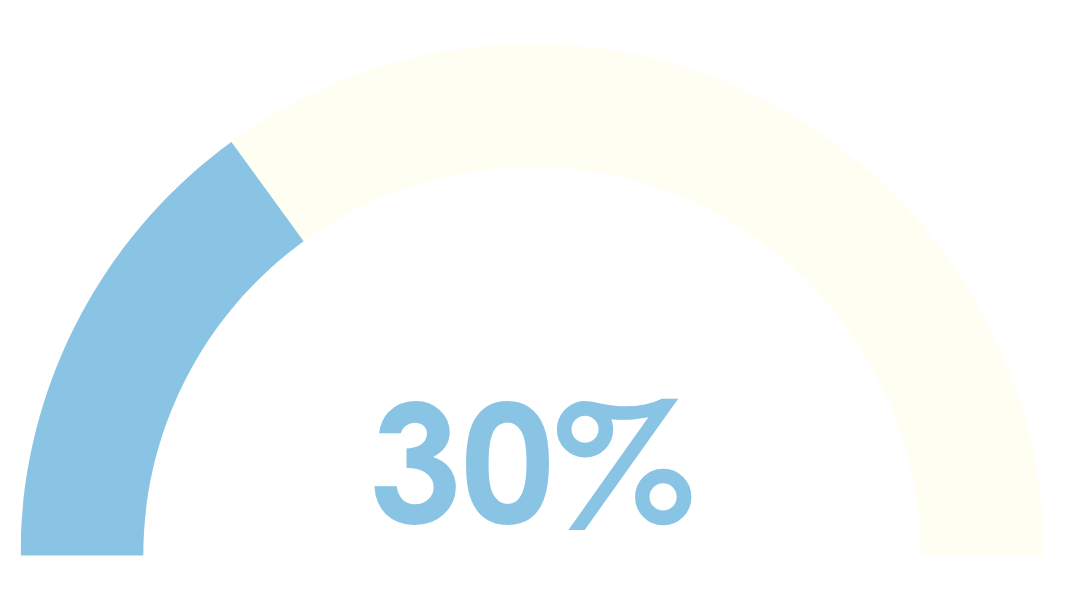
rely primarily on memory to manage passwords
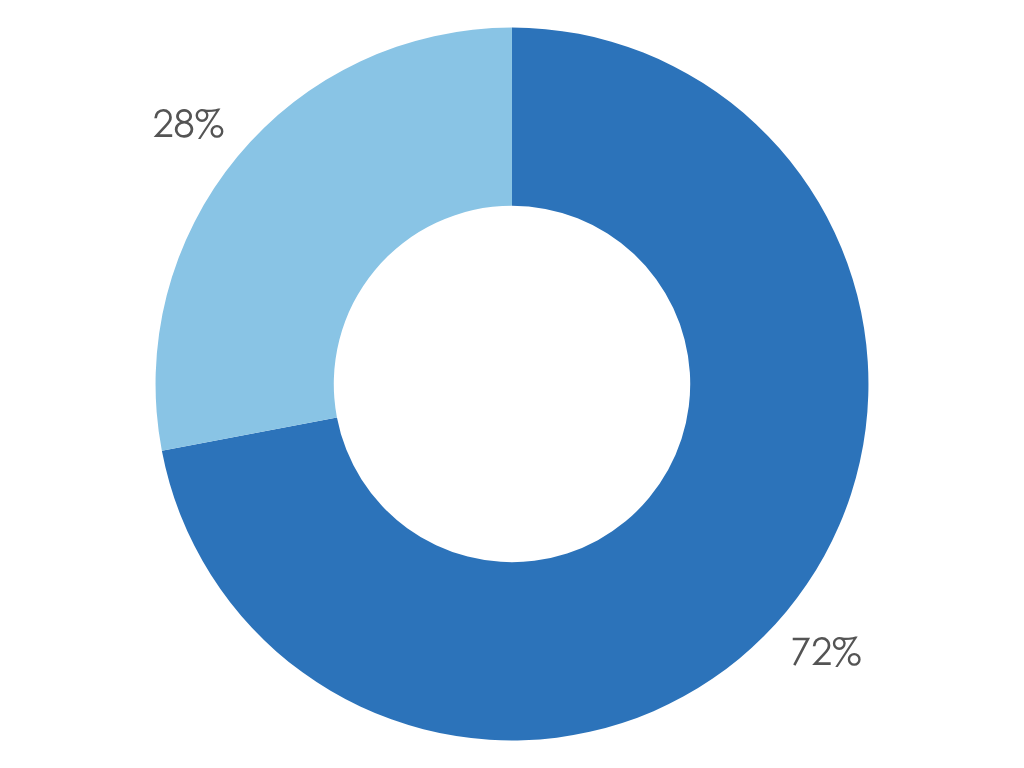
72% say personal privacy is more important than company security
Personal privacy continues to outweigh company security
Employees consistently prioritize personal privacy over company security in day-to-day work decisions.

Some foundational areas have improved since 2022
Organizations are making measurable progress in several operational areas.
Compared to previous studies, fewer employees report poor data protection practices, remote onboarding experiences have improved, and fewer employees say they are working significantly longer hours.

The employee experience gap is widening in the age of AI
The study reveals a growing disconnect between how organizations believe work happens and how employees actually operate day to day.
AI is being layered onto workplace environments where foundational challenges around onboarding, passwords, governance, support, and device management still remain unresolved.

Security friction is still getting in the way
Employees continue balancing productivity against security controls, often prioritizing convenience and efficiency.
The study found employees experiencing friction are significantly more likely to bypass company systems, especially when non-work tools feel faster or easier to use.

The future belongs to those that reduce friction
71% of workers believe their company is very or somewhat open to ideas on how to improve technology.
Americans are a lot more likely to believe their company is open to ideas on how to improve technology than people in Australia and the UK.
THIS STUDY WAS CONDUCTED BY
Mentor Technology Services
Founded in 2004, Mentor Technology Services has enabled over 1,600,000 people to be more secure and more productive with their laptops, tablets, smartphones and apps.
Mentor’s mission is to empower people to achieve more by unlocking the full potential of their technology. With operations in the USA, Australia and New Zealand, Mentor is the ideal partner for the modern hybrid workforce.